Scottish Gastronomy
Scotland’s culinary landscape is as diverse and dramatic as its Highland glens and rugged coastlines. For travellers exploring this captivating country—whether camping beneath star-filled skies or touring vibrant cities—Scottish gastronomy offers far more than stereotypical haggis and whisky. It’s a cuisine shaped by centuries of tradition, abundant natural resources, and a renewed pride in local, seasonal ingredients that reflect the character of this remarkable land.
Understanding Scottish food culture enhances any journey through Scotland. From warming broths perfect for chilly evenings under canvas to artisan products worth filling your rucksack, this comprehensive exploration covers the traditional dishes, regional specialities, essential ingredients, and practical eating advice every camping and travel enthusiast needs to savour Scotland’s authentic flavours.
What Makes Scottish Gastronomy Unique?
Scottish cuisine draws its distinctive character from the country’s geographical diversity and challenging climate. The cold waters surrounding Scotland’s extensive coastline yield exceptional seafood, while the Highlands provide grazing for hardy cattle and sheep that produce intensely flavoured meat. The shorter growing season has historically necessitated preservation techniques—smoking, curing, and fermenting—that have become hallmarks of Scottish culinary tradition.
Three key elements define this gastronomy. First, the emphasis on quality local ingredients: wild salmon from pristine rivers, game from Highland estates, and shellfish harvested from some of Europe’s cleanest waters. Second, the influence of historical frugality, which transformed humble ingredients like oats and root vegetables into beloved comfort foods. Finally, Scotland’s Celtic and Nordic heritage, combined with French culinary connections dating back centuries, created a unique fusion that distinguishes Scottish food from its British neighbours.
Today’s Scottish gastronomy balances tradition with innovation. While respecting time-honoured recipes, contemporary chefs and food producers are reimagining classics, elevating Scotland’s reputation from hearty peasant fare to a destination for serious food enthusiasts. For travellers, this means encountering everything from rustic bothy meals to Michelin-starred creativity, all rooted in the same exceptional raw materials.
Traditional Scottish Dishes Every Traveller Should Try
Experiencing Scotland’s signature dishes provides insight into the country’s history, landscape, and cultural identity. These are the flavours that have sustained Scots through harsh winters and remain central to the national cuisine.
Haggis and Savoury Classics
Haggis—perhaps Scotland’s most famous dish—deserves an open-minded approach. This savoury pudding combines minced sheep’s heart, liver, and lungs with oatmeal, onions, and spices, traditionally encased in a sheep’s stomach. The result is surprisingly rich and peppery, often served with “neeps and tatties” (mashed turnip and potato). Beyond haggis, try Scotch broth, a hearty soup of lamb, barley, and root vegetables that exemplifies Scottish comfort food, or stovies, a simple yet satisfying dish of potatoes, onions, and leftover meat slowly cooked together.
Seafood Specialities
Scotland’s maritime heritage shines through its seafood offerings. Cullen skink, a thick soup of smoked haddock, potatoes, and onions, originates from the fishing village of Cullen and delivers warming, smoky comfort. Fresh oysters from Loch Fyne, langoustines from the West Coast, and Arbroath smokies—whole hot-smoked haddock—showcase the diversity of Scottish waters. Wild salmon, whether poached, grilled, or cured, represents the pinnacle of Scottish seafood, with flesh far more flavourful than farmed alternatives.
Sweet Treats and Desserts
Scottish sweet traditions centre on simple, satisfying recipes. Shortbread—buttery, crumbly biscuits—requires just three ingredients (butter, sugar, flour) but demands precision to achieve the perfect texture. Cranachan layers whipped cream, whisky, honey, toasted oats, and fresh raspberries in a dessert that captures summer in the Highlands. Tablet, similar to fudge but grainier and sweeter, provides concentrated energy for hillwalking, while Dundee cake—a rich fruit cake topped with almonds—travels well in camping provisions.
Essential Scottish Ingredients and Where to Find Them
Understanding Scotland’s foundational ingredients helps travellers make informed choices at restaurants, farm shops, and markets throughout their journey.
Scottish whisky extends far beyond spirits; it’s used in cooking, marinades, and desserts. Single malt varieties from different regions (Speyside, Islay, Highland) offer distinct flavour profiles shaped by local water, peat, and production methods. Aberdeen Angus beef, from cattle raised on Scottish pastures, is renowned for its marbling and depth of flavour. Game meats—venison, grouse, pheasant—reflect Scotland’s hunting traditions and offer lean, intensely flavoured alternatives to conventional meats.
Scottish oats, milled differently from other varieties, create the creamy texture essential for authentic porridge. Heather honey, produced by bees foraging on Highland moorland, carries distinctive floral notes. Artisan cheeses like Lanark Blue and Isle of Mull Cheddar demonstrate Scotland’s growing reputation for exceptional dairy products. Raspberries, particularly from Perthshire, are celebrated for their sweetness and intensity.
To find these ingredients at their freshest, seek out farmers’ markets operating in towns throughout Scotland, typically on weekend mornings. Farm shops attached to estates and small-scale producers offer direct access to quality products. Many distilleries, smokehouses, and cheese makers welcome visitors, providing opportunities to purchase directly from the source while learning traditional production methods.
Regional Food Specialities Across Scotland
Scotland’s geography creates distinct regional food identities that reward curious travellers with local specialities unavailable elsewhere.
The Highlands and Islands showcase seafood supremacy. Skye’s langoustines, Orkney’s beef and cheese, and the Outer Hebrides’ black pudding (Stornoway black pudding holds protected status) reflect island self-sufficiency and pristine environments. Shetland offers unique Nordic influences, evident in dishes featuring mutton and root vegetables. The Northeast, centred on Aberdeen, claims butteries (flaky, buttery morning rolls), Arbroath smokies, and exceptional seafood from fishing ports like Peterhead.
Central Scotland’s Perthshire and Tayside region is celebrated for berries, game, and spring water that feeds numerous distilleries. The Lowlands and Borders produce lamb from sheep grazing rolling hills, while Ayrshire potatoes and Galloway beef demonstrate agricultural excellence. Glasgow and Edinburgh, though cities, have developed distinctive food cultures—from Glasgow’s deep-fried Mars bars (a curiosity rather than tradition) to Edinburgh’s sophisticated restaurant scene.
Understanding these regional variations enhances travel planning. Coastal routes emphasize seafood; Highland journeys feature game and whisky; Lowland tours showcase agricultural bounty. Seasonal timing matters too: grouse season begins in mid-August, while wild salmon runs vary by river and month.
Eating Out While Travelling: From Traditional Pubs to Fine Dining
Scotland’s dining options accommodate every budget and preference, from casual pub meals to memorable culinary experiences.
Traditional pubs remain the most accessible option for authentic Scottish fare at reasonable prices. Most serve classics like haggis, fish and chips, and steak pie in generous portions. Meals typically cost between £10-18, with lunch often cheaper than dinner. Note that Scottish pubs may stop serving food earlier than their counterparts elsewhere—many kitchens close by 8 or 9 PM, especially in rural areas.
For enhanced experiences, seek out restaurants emphasizing seasonal Scottish produce. These establishments, found in tourist destinations and increasingly in smaller towns, balance tradition with contemporary techniques. Expect to pay £25-50 per person for three courses. Booking ahead is essential during peak travel seasons and weekends.
Food tours and tastings offer concentrated culinary education. Edinburgh and Glasgow host walking food tours visiting multiple establishments for tastings. Whisky distillery tours combine production insights with sampling sessions. Many farms and food producers welcome visitors for tours ending in tasting rooms or cafés showcasing their products in prepared dishes.
Practical considerations for travellers include Scotland’s smoking ban in all enclosed public spaces, the prevalence of card payments even in remote areas, and the Scottish tradition of substantial breakfasts that can sustain you through active mornings of hiking or sightseeing.
Scottish Food for Campers and Outdoor Enthusiasts
Camping through Scotland presents unique opportunities to incorporate local gastronomy into your outdoor experience without sacrificing authenticity or nutrition.
Before heading to campsites, stock up on provisions that travel well and require minimal preparation. Oatcakes—thin, crispy oat biscuits—pair excellently with Scottish cheese and keep indefinitely. Smoked salmon, vacuum-sealed from reputable producers, needs no refrigeration until opened and provides protein-rich, no-cook meals. Shortbread, tablet, and fruit cake offer concentrated energy for hillwalking. Porridge oats, the ultimate camping breakfast, require only hot water and can be enhanced with local honey or jam.
Many Scottish campsites, particularly in popular areas, are located near villages with excellent bakeries and butchers. Fresh morning rolls (baps), locally made sausages, and black pudding create memorable campsite breakfasts. Scotch pies—small, double-crusted meat pies—eat well cold or warmed over camping stoves. For evening meals, haggis is available in various formats, including vegetarian versions, and cooks quickly when sliced and pan-fried.
Wild camping enthusiasts should practice responsible foraging. Coastal areas offer edible seaweeds and, in season, mussels (though local knowledge about safe harvesting areas is essential). Inland, wild berries supplement camping meals, while mushroom foraging requires expertise to ensure safety. Always follow the Scottish Outdoor Access Code and leave no trace.
What to Bring Back Home: Authentic Scottish Products
Selecting edible souvenirs extends your Scottish culinary journey beyond your travels while supporting local producers.
The following items combine authenticity, quality, and transportability:
- Whisky: Choose distillery exclusives unavailable internationally, or explore independent bottlers offering unique expressions
- Shortbread: Artisan producers create superior versions to mass-market brands; look for all-butter varieties in distinctive tins
- Smoked salmon: Vacuum-packed portions from traditional smokehouses maintain quality for days without refrigeration
- Scottish honey: Heather honey’s distinctive flavour makes it a prized gift; small producers often sell at farmers’ markets
- Oatcakes: Lightweight, durable, and authentically Scottish, these represent everyday Scottish eating
- Artisan preserves: Raspberry jam, marmalade, and chutneys made from Scottish fruit showcase local flavours in spreadable form
- Scottish tablet: This intensely sweet confection, denser than fudge, travels well and represents traditional Scottish candy-making
Purchase directly from producers when possible—distilleries, farm shops, and smokehouses offer the freshest products and often share insights into their craft. City delicatessens and specialty food shops curate selections from multiple producers, convenient for travellers with limited time. Airport shops stock Scottish products, though at premium prices and with less variety than specialist retailers.
Consider liquid restrictions when travelling by air. Whisky and other liquids must be purchased airside or shipped separately. Cheese, smoked fish, and preserved items generally travel without issue, though customs regulations for your destination country should be verified before purchasing perishable items.
Scottish gastronomy reveals the country’s soul as vividly as its landscapes and history. From the comforting warmth of Cullen skink after a day exploring coastal paths to the complex pleasures of aged whisky shared around a campfire, food connects travellers to Scotland’s land, waters, and people. Whether sampling haggis with an open mind, seeking out regional specialities, or filling your camping provisions with local products, engaging with Scottish food culture transforms a visit into a deeper, more memorable immersion in this remarkable country. The flavours you discover here—smoky, robust, honest, and deeply rooted in place—will call you back long after your journey ends.
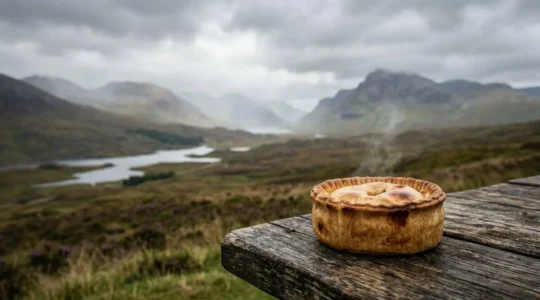
Mutton or Beef: What is Inside a Traditional Scotch Pie?
That ‘mystery meat’ in your Scotch pie isn’t a mystery, it’s a mark of authenticity and tradition. The incredibly hard shell isn’t a mistake; it’s a piece of food engineering designed for handling and holding toppings. The filling is traditionally…
Read more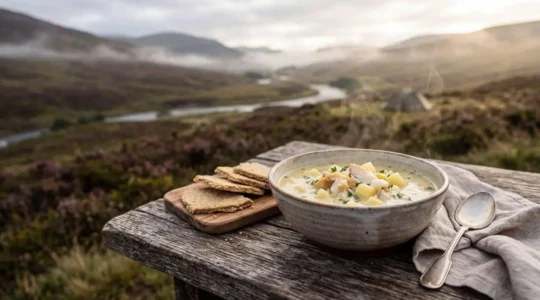
How to Distinguish Authentic Cullen Skink from Generic Chowder?
The common belief that Cullen Skink is merely a ‘Scottish fish chowder’ is a profound misunderstanding; its soul lies in specific, non-negotiable judgements. True Skink demands naturally smoked haddock (Finnan Haddie), never artificially dyed substitutes. Authentic texture comes from the…
Read more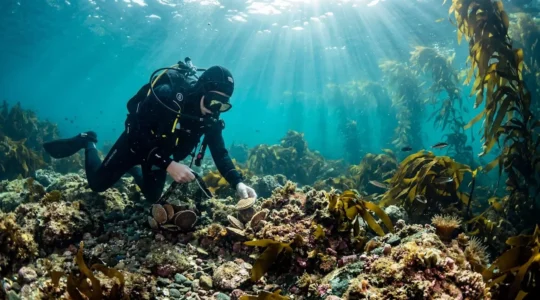
Hand-Dived Scallops: Why Are They Three Times the Price of Dredged?
The high price of ethical seafood like hand-dived scallops reflects its true ecological cost, protecting marine habitats and local economies. Creel-caught shellfish avoids destroying the seabed, unlike dredging, justifying a higher price for lower environmental impact. Certifications like ‘RSPCA Assured’…
Read more
Farmed vs Wild Scottish Salmon: Is the Price Difference Justified?
The price difference between farmed and wild salmon is an auditable ledger of environmental impact, animal welfare, and true culinary value, not just a simple matter of fat content or availability. Farming certifications like ‘RSPCA Assured’ can mask alarmingly high…
Read more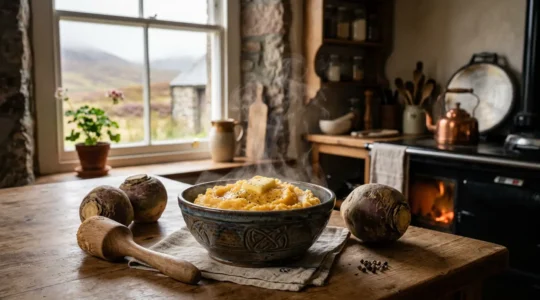
Why Your Neeps Are Watery: The Mashing Mistake to Avoid
Ach, your neeps are watery because you’re treating them unkindly, likely starting with the wrong vegetable and then boiling the life out of them. The secret isn’t a complicated recipe; it’s good old-fashioned kitchen common sense. Let your Granny show…
Read more
How to Try Haggis for the First Time If You Are Squeamish?
Trying haggis isn’t about having a strong stomach; it’s about using psychology to reframe the experience from daunting to manageable. Start with vegetarian haggis to experience the signature spice profile without the mental block of its ingredients. Control the texture…
Read more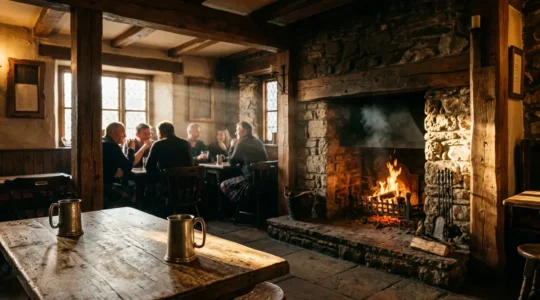
Where to Find Authentic Scottish Cuisine That Isn’t a Tourist Trap?
Forget the laminated menus and bagpipe soundtracks; authentic Scottish food is a quiet affair of seasonality, provenance, and technique. True quality is found in menus that change with the seasons, not those offering the same generic dishes year-round. Authenticity lies…
Read more