Scottish Destinations
Scotland captivates travelers with a rare combination of untamed wilderness and rich cultural heritage. From the jagged peaks of the Highlands to the windswept shores of its outer islands, this northern realm offers camping and travel experiences that feel genuinely remote, yet remain surprisingly accessible. Whether you’re pitching a tent beside a mountain loch or exploring medieval streets between outdoor adventures, Scotland rewards those who seek both solitude and story.
Understanding Scotland’s diverse destinations is essential for planning a meaningful journey. The country’s geography creates distinct regions, each with its own character, weather patterns, and opportunities for exploration. This resource introduces you to Scotland’s most compelling destinations, helping you match your travel style and camping preferences with the landscapes that will resonate most deeply with your sense of adventure.
The Dramatic Beauty of the Scottish Highlands
The Highlands represent Scotland’s wild heart, where vast expanses of heather-clad moorland meet ancient mountains sculpted by ice. This region offers some of Europe’s most pristine wilderness, with opportunities for wild camping that are unmatched elsewhere in the United Kingdom thanks to Scotland’s right to roam legislation.
Glen Coe and the Western Highlands
Glen Coe stands as one of Scotland’s most photographed valleys, where dramatic volcanic geology creates a landscape of soaring ridges and deep corries. The area offers numerous camping spots along the A82, though the most rewarding experiences come from hiking into the backcountry. The Three Sisters peaks dominate the southern skyline, while the Lost Valley provides a hidden sanctuary that requires moderate scrambling to access. Weather here changes rapidly—carrying waterproof layers is essential even during summer months.
Cairngorms National Park
Britain’s largest national park encompasses sub-arctic plateau landscapes rarely found at this latitude. The Cairngorms plateau experiences weather conditions more severe than many areas hundreds of miles further north, due to its elevation and exposure. For campers, this means choosing lower valley locations like Glen Feshie or Rothiemurchus Forest, where ancient Caledonian pines provide some shelter. The region excels for multi-day backpacking trips, with bothies (basic mountain shelters) offering emergency refuge during challenging weather.
The Northwest Highlands
This sparsely populated region features some of Scotland’s most distinctive peaks, including Suilven and Stac Pollaidh, which rise abruptly from waterlogged moorland like ancient islands. The geology here shifts to Torridonian sandstone and Lewisian gneiss—among the oldest rocks in Europe. Camping spots exist along single-track roads, but the true experience requires carrying your gear to remote lochs where you might not see another person for days. Navigation skills become critical here, as paths are often faint or nonexistent.
Scotland’s Enchanting Islands
Scotland’s islands number over 790, though fewer than 100 are inhabited. Each archipelago possesses its own distinct character, shaped by differing geology, climate, and cultural history. Island camping requires additional planning for ferry schedules and limited services, but rewards travelers with extraordinary solitude and landscapes shaped by relentless Atlantic weather.
The Isle of Skye
Connected to the mainland by bridge, Skye combines accessibility with genuinely wild terrain. The Cuillin mountain range presents Britain’s most challenging scrambling and climbing, while gentler areas like the Quiraing and Old Man of Storr offer dramatic hiking without technical difficulty. Wild camping regulations apply here as on the mainland, though the island’s popularity means finding secluded spots near popular areas requires hiking further than you might expect. The Fairy Pools attract crowds during summer, but numerous lesser-known glens provide equal beauty with fewer footprints.
The Outer Hebrides
This 130-mile chain of islands experiences weather shaped directly by Atlantic systems, creating unique challenges and rewards for camping travelers. Lewis and Harris (technically one island) offer contrasts between the peat moorlands of Lewis and the white-sand beaches backed by turquoise waters on Harris’s west coast. These beaches rival tropical destinations aesthetically, though water temperatures rarely exceed 12°C. The islands maintain strong Gaelic culture and observe Sunday closures in many communities—cultural sensitivity matters here more than in mainland Scotland.
Orkney and Shetland
These northern archipelagos feel distinctly different from Highland Scotland, with rolling green landscapes, Scandinavian cultural influences, and extraordinary archaeological sites. Orkney hosts Europe’s best-preserved Neolithic monuments, including Skara Brae and the Ring of Brodgar. Shetland sits closer to Norway than Edinburgh, creating a genuinely remote feeling. Both island groups experience strong winds that make camping challenging—low-profile tents and excellent guyline techniques become essential. The summer “simmer dim” provides near-24-hour daylight, transforming your camping experience with twilight that never fully darkens.
Historic Cities Worth Exploring Between Adventures
Scotland’s cities provide compelling counterpoints to wilderness camping, offering cultural depth, practical services for resupplying gear, and insights into the history that shaped these landscapes. Most camping travelers use cities as bookends to their outdoor adventures or as bases for day trips.
Edinburgh’s Layers of History
Scotland’s capital blends medieval Old Town architecture with Georgian New Town elegance. The volcanic Arthur’s Seat provides a genuine hill walk within city limits, offering perspectives across the Firth of Forth. Campsites exist on Edinburgh’s outskirts, with bus connections making car-free city access feasible. The city’s August festivals create exceptional cultural opportunities but also drive accommodation prices to annual peaks and require advance booking even for campsites.
Glasgow’s Cultural Energy
Scotland’s largest city serves as the gateway to Loch Lomond and the western Highlands, making it a natural starting point for northbound camping trips. Glasgow’s Victorian architecture, music scene, and museum collections (many free to enter) provide rich urban experiences. The West Highland Way long-distance trail begins just outside the city, allowing you to transition from urban to wilderness within a single day’s hiking.
Wild Camping and Outdoor Pursuits
Scotland’s Land Reform Act establishes access rights that permit wild camping on most unenclosed land, creating freedoms rare in modern Europe. However, these rights come with responsibilities that every camping traveler must understand and respect to preserve both the landscape and the continuation of these access privileges.
Understanding Your Access Responsibilities
The Scottish Outdoor Access Code establishes that you can camp on most land if you stay in small numbers, away from buildings and roads, for just two or three nights in one place. You must leave no trace—carry out all waste, avoid damaging vegetation, and use existing fire rings rather than creating new ones. In practice, this means camping discreetly, arriving late and leaving early, and choosing durable surfaces like gravel or short grass rather than fragile vegetation. Some areas, particularly around Loch Lomond, now enforce camping management zones during summer months due to previous abuse of access rights.
Essential Outdoor Activities
Scotland’s landscape naturally suits particular outdoor pursuits. Munro bagging—climbing Scotland’s 282 mountains over 3,000 feet—provides a lifetime pursuit for peak enthusiasts. Coastal areas offer exceptional sea kayaking, particularly around the islands where you can camp on uninhabited islets. Mountain biking ranges from purpose-built trail centers to rough Highland tracks that demand full-suspension bikes and strong navigation skills. Wild swimming in lochs and rivers has grown in popularity, though water temperatures even in summer require gradual acclimatization and awareness of cold-water shock risks.
Timing Your Scottish Journey
Scotland’s weather famously demonstrates four seasons in a single day. Understanding seasonal patterns helps you pack appropriately and set realistic expectations, though you should always prepare for rain regardless of the forecast.
Summer: Midges and Midnight Sun
June through August offers the longest daylight and warmest temperatures, with northern regions experiencing twilight rather than true darkness. However, this season also brings Highland midges—tiny biting insects that can make camping near still water genuinely miserable during calm, overcast conditions. Midge forecasts exist online and should influence your daily plans. Coastal areas with steady breezes and higher mountain zones above 500 meters typically see fewer midges. Population and tourist numbers peak during school holidays, particularly in Skye and popular Highland areas.
Shoulder Seasons: Spring and Autumn
May and September offer compelling advantages: fewer tourists, lower accommodation costs, and midges either not yet emerged or already finished for the year. Autumn brings spectacular color changes in Highland glens, particularly where birch and rowan trees grow. However, daylight hours decrease rapidly after the autumn equinox—by late September, you’ll have about 12 hours of daylight, and this contracts quickly through October. Spring weather can be particularly changeable, with late snow possible on high peaks even into May.
Winter: For Experienced Adventurers
Winter camping in Scotland requires genuine mountaineering skills and specialized gear. The Scottish Highlands experience genuinely arctic conditions during winter storms, with wind chill pushing temperatures far below freezing and whiteout conditions creating serious navigation challenges. However, for those with appropriate experience, winter offers crystalline visibility on clear days, snow-covered peaks of exceptional beauty, and solitude unimaginable during summer months. Winter daylight is limited—as little as seven hours in late December—requiring early starts and disciplined camp routines.
Practical Considerations for Camping Travelers
Successful Scottish camping adventures depend on understanding several practical realities that differ from camping in more temperate or populated regions.
Gear Requirements
Scotland’s persistent wind and frequent rain demand specific equipment priorities. Your tent should handle sustained winds of 40+ mph comfortably—this typically means three-season or four-season designs with robust pole structures and excellent staking systems. Synthetic insulation in sleeping bags and jackets performs better than down in damp conditions, though modern water-resistant down provides acceptable alternatives. Waterproof gear should truly be waterproof (look for 10,000mm+ ratings), as you’ll wear it for hours at a time. A reliable camping stove matters in areas where wood fires are inappropriate or impossible, and fuel availability varies—canister fuel is widely available in outdoor shops, while liquid fuel can be harder to source.
Navigation and Safety
Mobile phone coverage is patchy to nonexistent in Highland regions and on islands. Relying solely on smartphone navigation creates genuine risk. Physical maps (Ordnance Survey 1:50,000 Landranger or 1:25,000 Explorer series) and compass skills remain essential for any route away from major paths. Many popular hiking areas now have mountain rescue team contact numbers posted at trailheads—photograph these before setting out. Weather forecasts specifically for mountain areas differ significantly from general forecasts; the Mountain Weather Information Service provides detailed predictions for Scottish mountain regions and should inform your daily decisions.
Sustainability and Conservation
Scotland’s wild places face increasing pressure from visitor numbers. Practicing genuine Leave No Trace principles protects both the landscape and the continuation of access rights. This means burying human waste properly (6-8 inches deep, 70 meters from water sources) or carrying it out in areas above the treeline where decomposition is extremely slow. Avoid trenching around tents, stick to established paths where they exist, and consider visiting less-known areas rather than always heading to Instagram-famous locations. Supporting local businesses in small Highland communities helps ensure these areas maintain the services that make them viable bases for outdoor adventures.
Scotland offers camping and travel experiences of remarkable depth—landscapes that inspire both contemplation and adventure, weather that teaches resilience, and a cultural heritage woven through every glen and island. By understanding the distinct character of each region, respecting access rights, and preparing thoughtfully for Scottish conditions, you’ll discover why this small country commands such devotion from those who’ve experienced its wild places firsthand. Your Scottish journey awaits, with countless mountains, islands, and hidden corners still to explore.
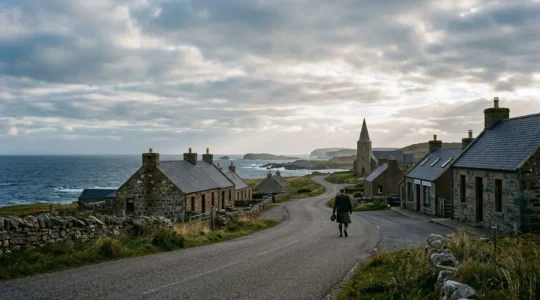
Sunday Observance in Lewis: What Tourists Must Respect?
Contrary to the belief that Sunday on Lewis is an inconvenience, it is a deeply held spiritual rhythm that offers a unique form of peace, if a visitor is properly prepared. Practicality is paramount: Fuel and most groceries must be…
Read more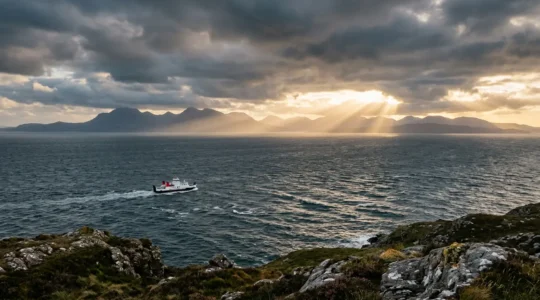
How to Book CalMac Ferries for the Outer Hebrides Without Getting Stranded?
In summary: Treat your trip as a logistics operation: book accommodation and hire cars *before* booking your ferry tickets. Understand that ferry cancellations are a matter of ‘when’, not ‘if’. Monitor service status proactively and have contingency plans. Respect the…
Read more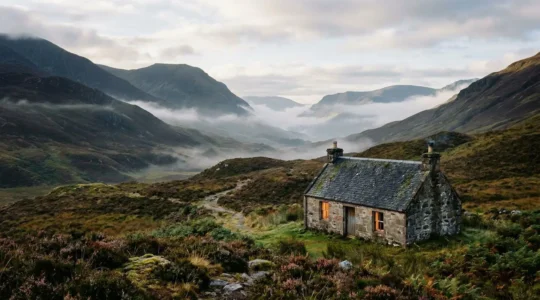
How to Experience Authentic Highland Hospitality, Not Just Service?
True Highland hospitality isn’t a commodity you purchase; it’s a social contract you earn by understanding the culture’s unwritten rules. Genuine connection is found not in tourist hotspots, but in embracing moments of disconnection and participating in the local rhythm….
Read more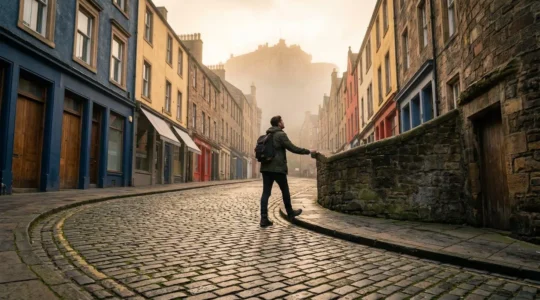
How to Walk Edinburgh’s Old Town Without Exhaustion: A Local’s Guide to the Vertical City
The secret to enjoying Edinburgh isn’t stamina; it’s understanding you’re in a two-level city. Standard map apps are misleading because they don’t account for the city’s vertical drops and steep stairways (closes). Strategic use of upper-level bridges and knowing when…
Read more