Nature & Outdoors
Stepping into nature transforms camping from a simple outdoor activity into an immersive experience that reconnects us with the natural world. Whether you’re pitching a tent beneath towering pines, beside a mountain stream, or along a windswept coastline, understanding the environments you’re entering becomes essential for both safety and enjoyment. The outdoors presents a living classroom where weather patterns, wildlife behavior, and ecological systems create a dynamic backdrop for every adventure.
For those new to camping or looking to expand their outdoor horizons, navigating different natural settings can feel overwhelming. This exploration covers the fundamental aspects of camping in nature: from recognizing the unique characteristics of various environments to developing practical skills for wildlife encounters, weather preparedness, and low-impact practices. These foundations empower you to choose destinations confidently, adapt to changing conditions, and protect the wild spaces that make outdoor experiences so remarkable.
Understanding Natural Environments for Camping
Each natural setting offers distinct experiences, challenges, and rewards. Recognizing these differences helps you prepare appropriately and set realistic expectations for your camping adventures. The environment you choose shapes everything from the gear you pack to the activities you can enjoy.
Mountain and Alpine Settings
Mountain environments captivate campers with dramatic vistas and cooler temperatures, but they demand respect for rapid weather changes and altitude effects. Temperatures can drop significantly after sunset, even during summer months, while afternoon thunderstorms develop with surprising speed in many alpine regions. The thinner air at higher elevations affects both physical exertion and cooking times—water boils at lower temperatures, extending meal preparation.
When selecting mountain campsites, prioritize locations below ridgelines to avoid lightning exposure and choose spots protected from prevailing winds. The terrain itself becomes a consideration: rocky ground requires different tent stakes than forest soil, and water sources may be scarce or limited to seasonal snowmelt streams. Despite these challenges, mountain camping rewards you with pristine air quality, stunning sunrise views, and access to trails that traverse truly remote wilderness.
Coastal and Waterside Locations
Camping near oceans, lakes, or rivers introduces the constant presence of water as both amenity and variable. Coastal sites offer refreshing breezes and the soothing rhythm of waves, but they also bring considerations like tide patterns, salt air corrosion on equipment, and often persistent winds that require sturdy tent setup and additional guy lines.
Beach camping typically means dealing with sand—which infiltrates everything despite best efforts—and intense sun exposure with limited natural shade. Freshwater lakeside and riverside sites provide easier access to swimming and water sports, though you’ll need to position camps safely above potential flood lines during rainy periods. The humidity near water bodies also affects how quickly gear dries and may influence insect populations, particularly mosquitoes in areas with standing water.
Forest and Woodland Areas
Forest camping environments provide natural shelter, abundant firewood (where permitted), and typically the most accessible campsites for beginners. The tree canopy offers protection from both sun and light rain, while creating a sense of enclosure that many find comforting. Forest floors generally provide softer ground for tent placement compared to rocky or sandy alternatives.
However, wooded areas require attention to potential hazards: look overhead for dead branches (“widowmakers”) that could fall during wind or storms, and avoid camping directly under heavy fruit-bearing trees that attract wildlife. Dense forests can also limit stargazing opportunities and may hold moisture longer after rain, creating damper conditions. The trade-off is worth it for many campers who appreciate the privacy, natural sound insulation, and rich biodiversity that forest ecosystems support.
Wildlife Encounters: Safety and Observation
Sharing space with wild animals represents one of nature camping’s most thrilling aspects, but it requires knowledge and preparation to ensure both human safety and animal welfare. Understanding wildlife behavior helps you appreciate these encounters while minimizing risks and avoiding actions that habituate animals to human presence.
Safe Wildlife Watching Practices
The golden rule for wildlife observation is maintaining respectful distance—if an animal changes its behavior because of your presence, you’re too close. For large mammals like deer or elk, staying at least 25 meters away provides safety margins, while potentially dangerous species like bears or moose demand even greater distances of 100 meters or more. Binoculars and telephoto lenses allow intimate observation without intrusion.
Early morning and dusk represent prime viewing times when many species are most active, though these twilight periods also require extra caution on trails due to reduced visibility. Never attempt to feed wildlife or leave food accessible—animals that associate humans with food become dangerous and often must be relocated or euthanized. Instead, observe natural behaviors from a safe vantage point, move slowly and predictably, and give animals clear escape routes if they appear nervous.
Food Storage and Camp Hygiene
Proper food storage protects both campers and wildlife by preventing animals from accessing human food. In areas with bear activity, bear canisters or hanging food bags at least 4 meters high and 1.5 meters from tree trunks becomes mandatory. Even in areas without large predators, smaller animals like raccoons, rodents, and birds can cause significant campsite disruption and damage when they discover accessible food.
Camp hygiene extends beyond just food to include toiletries, cooking gear, and even clothing worn during meal preparation—all of which can carry attractive scents. Store these items with your food supplies, cook at least 60 meters downwind from your sleeping area, and wash dishes thoroughly, disposing of grey water well away from camp. This systematic approach to scent management dramatically reduces unwanted nighttime visitors and teaches valuable habits for wilderness coexistence.
Recognizing Dangerous Species
Before camping in any new region, research the potentially dangerous species present and learn their identifying characteristics. This includes venomous snakes, spiders, and insects as well as large mammals. Understanding which species inhabit the area allows you to take appropriate precautions: shaking out boots before wearing them in scorpion territory, making noise while hiking in bear country, or avoiding specific plants that harbor stinging insects.
Most dangerous wildlife encounters result from surprise or perceived threats, particularly when animals feel cornered or are protecting young. Learning to recognize warning signs—a rattlesnake’s distinctive sound, a bear standing on hind legs to investigate, or a moose’s laid-back ears—gives you critical seconds to back away calmly. Carry region-appropriate safety items like bear spray in grizzly country, know basic first aid for snakebites, and always inform someone of your camping location and expected return time.
Weather Patterns and Seasonal Considerations
Weather profoundly influences outdoor experiences, affecting not just comfort but safety. Developing skills to anticipate weather changes and choosing appropriate seasons for different activities helps you avoid dangerous situations while maximizing enjoyment of natural conditions.
Reading Weather Signs in Nature
Nature provides numerous clues about approaching weather changes for those who know how to interpret them. Cloud formations offer particularly reliable indicators: high, wispy cirrus clouds often precede frontal systems by 24-48 hours, while rapidly building cumulus towers in the afternoon signal potential thunderstorm development. A falling barometer (available on many watches) combined with increasing winds typically indicates deteriorating conditions.
Animal behavior can also signal weather shifts—birds feeding more actively before storms, insects flying lower to the ground, or increased animal movement toward shelter. Morning dew on grass suggests clear conditions overnight, while its absence may indicate approaching cloud cover or rain. Wind direction changes, particularly shifting from steady patterns, often herald frontal passages. While modern weather forecasts remain essential tools, developing these observation skills helps you make real-time decisions when conditions evolve unexpectedly.
Seasonal Camping Advantages
Each season offers unique opportunities and challenges for outdoor enthusiasts. Spring camping brings wildflowers, active wildlife, and moderate temperatures, though it also means swollen rivers, muddy trails, and unpredictable weather as winter transitions to summer. Summer provides the longest days and warmest conditions, ideal for water activities and high-altitude camping, but popular sites fill quickly and insects peak in many regions.
Fall camping rewards adventurers with spectacular foliage, comfortable sleeping temperatures, and diminished crowds as the season advances. Shorter days require earlier camp setup, and you’ll need warmer sleeping systems as nights grow colder. Winter camping, while demanding specialized gear and skills, offers profound solitude, crystal-clear air, and landscapes transformed by snow. Understanding these seasonal rhythms helps you choose optimal timing for specific destinations and pack appropriately for expected conditions.
Essential Outdoor Activities and Skills
Nature camping opens doors to diverse activities that deepen your connection with outdoor environments. Developing core skills in several areas creates versatility and confidence for exploring different terrains and ecosystems.
Hiking and Trail Navigation
Hiking forms the foundation of most camping adventures, whether you’re reaching a backcountry campsite or exploring from a base camp. Beyond basic fitness, successful hiking requires navigation skills using maps, compasses, and increasingly GPS devices or smartphone apps. However, technology fails—batteries die, signals disappear—making traditional map reading and terrain association invaluable backup skills.
Understanding trail markers, estimating distances using time and pace, and recognizing natural landmarks helps you maintain orientation even on well-marked paths. Leave detailed trip plans with someone responsible, including expected routes and return times. Pace yourself according to terrain and conditions: a useful formula suggests allowing one hour for every 5 kilometers of distance plus an additional hour for every 300 meters of elevation gain. This conservative approach prevents overextension and ensures you reach camp with energy reserves for setup and camp chores.
Water-Based Activities
Camping near water naturally invites activities like swimming, kayaking, canoeing, or fishing. Each requires specific safety awareness: always assess water conditions before entering, understand river currents and undertow risks in coastal areas, and wear appropriate flotation devices during paddling activities regardless of swimming ability. Cold water presents particular dangers—even strong swimmers can experience shock and rapid loss of coordination in water below 15°C.
For fishing enthusiasts, research local regulations regarding licenses, catch limits, and protected species before arriving. Catch-and-release techniques, when practiced properly, allow you to enjoy the sport while minimizing environmental impact. Water activities offer both recreation and practical skills: knowing how to paddle efficiently, perform water rescues, or identify safe swimming areas enhances safety while expanding the range of environments you can confidently explore.
Outdoor Photography and Nature Journaling
Capturing experiences through photography or journaling creates lasting memories while encouraging closer observation of natural details. Nature photography teaches patience—waiting for optimal lighting, approaching wildlife carefully, noticing small details often overlooked in casual observation. You don’t need expensive equipment; smartphones now capture remarkable images, especially when you understand basic composition principles like the rule of thirds and using natural frames.
Nature journaling combines sketching, written observations, and sometimes pressed specimens to document encounters with plants, animals, weather patterns, and landscapes. This practice slows you down, transforming a quick glance into sustained attention that reveals intricate patterns, behaviors, and connections. Both photography and journaling provide rainy-day activities for camp and create personal field guides that grow more valuable with each trip, building a record of seasonal changes, wildlife sightings, and favorite locations.
Leave No Trace: Protecting Natural Spaces
As more people discover the joys of outdoor recreation, our collective impact on natural environments intensifies. Practicing low-impact camping techniques preserves wild spaces for future generations while maintaining the pristine conditions that make nature camping so appealing.
Core Principles for Minimal Impact
The Leave No Trace framework provides seven principles that guide ethical outdoor behavior. Planning ahead reduces impacts by helping you avoid peak times, prepare for weather, and pack appropriately sized groups. Traveling and camping on durable surfaces—established trails and campsites—prevents vegetation damage and erosion that takes years to recover. When you must travel off-trail, spread out rather than walking single-file to avoid creating new paths.
Campsite selection significantly affects impact: choose existing sites rather than creating new ones, locate camps at least 60 meters from water sources to protect riparian zones, and avoid areas where impact is just beginning. Pack out everything you pack in, including micro-trash like orange peels and cigarette butts. Respect wildlife by observing from distance, never feeding animals, and storing food securely. Be considerate of other visitors by minimizing noise, yielding on trails, and camping away from others when possible.
Waste Management in the Wilderness
Proper waste disposal ranks among the most critical low-impact skills. For human waste, dig catholes 15-20 centimeters deep and at least 60 meters from water, trails, and camp. Some fragile environments require packing out solid waste entirely. Used toilet paper should be packed out in sealed bags—burning it causes numerous wildfires annually and is increasingly discouraged.
Grey water from dishwashing should be scattered widely at least 60 meters from water sources after straining food particles, which get packed out with other trash. Biodegradable soap, while less harmful than conventional varieties, still impacts aquatic ecosystems and should never be used directly in streams or lakes. Instead, carry water away from sources for washing. For women, menstrual products must be packed out—never buried or burned. Creating a waste management system with designated bags for different types of trash makes execution easier and ensures nothing gets forgotten.
Preparing for Different Natural Conditions
Successful nature camping requires matching your preparation to expected conditions while maintaining flexibility for surprises. This involves both physical gear and mental readiness to adapt when circumstances shift.
Research your destination thoroughly: what are typical temperature ranges, precipitation patterns, terrain characteristics, and potential hazards? Create layered clothing systems rather than relying on single heavy garments—base layers for moisture management, insulation layers for warmth, and shell layers for wind and rain protection. This modular approach adapts to changing conditions throughout the day and across different activity levels.
Your shelter system should match the environment: freestanding tents offer versatility across various terrains, while hammocks excel in forested areas with suitable trees but fail in alpine environments. Pack a comprehensive repair kit including duct tape, cordage, spare tent stakes, and basic sewing supplies—the ability to fix broken gear transforms potential trip-ending failures into minor inconveniences. Consider redundancy for critical items like lighting and fire-starting materials.
Physical preparation matters as much as gear. Build fitness gradually for demanding trips, practice skills like fire-building or water filtration before you depend on them, and start with shorter, easier outings to develop judgment and experience. Each trip teaches lessons that inform future adventures, building a personal knowledge base that no guidebook can replace. The confidence that comes from successfully navigating challenges—setting up camp in the rain, preparing meals on a backpacking stove, or waking to frost on your tent—creates resilience and deepens appreciation for both nature’s power and your own capabilities.
Nature and outdoor camping rewards those who approach it with curiosity, respect, and preparation. The skills and knowledge you develop extend far beyond any single trip, fostering a relationship with wild places that enriches life in countless ways. Whether you’re drawn to mountain solitude, coastal sunsets, or forest tranquility, the natural world offers endless opportunities for discovery, challenge, and renewal.
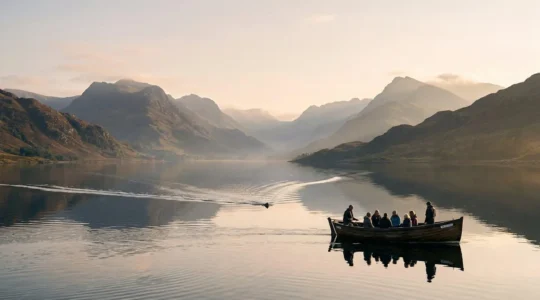
How to Choose an Ethical Wildlife Tour Operator in Scotland?
The most ethical wildlife tour isn’t just the one with an accreditation; it’s the one you’ve vetted by learning to read animal behaviour and operator philosophy like a conservationist. Guaranteed sightings are a major red flag, often leading to practices…
Read more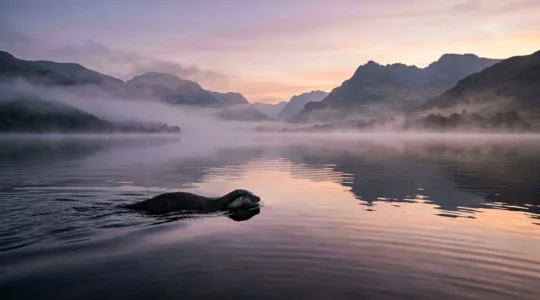
How to Spot Otters in Scottish Lochs Without Scaring Them Away?
Spotting an elusive otter in Scotland isn’t about luck or simply waiting for hours at dawn. The key is to stop looking for the otter and start reading the entire ecosystem like a tracker. By understanding water health, the behaviour…
Read more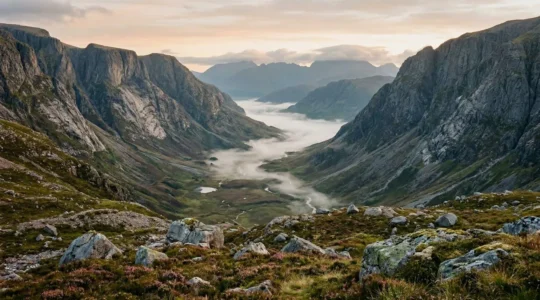
How to Read the Scottish Landscape: A Geologist’s Guide to Its Glacial Past
The secret to understanding the Scottish Highlands isn’t just spotting glacial features, but learning to read the dynamic ‘dialogue’ between ancient ice and the underlying rock. Different rock types like granite and schist ‘remember’ glaciation differently, directly impacting everything from…
Read more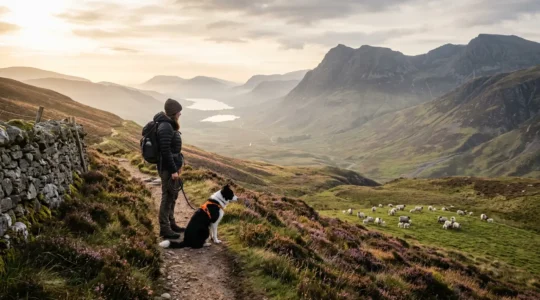
A Farmer’s Guide: How to Walk Your Dog in Scotland During Lambing Season Without Fear
The key to walking your dog without fear in the Scottish countryside is shifting from simply following rules to understanding the farmer’s-eye view of the land. Seemingly small disturbances have significant, often invisible, financial and emotional consequences for farmers and…
Read more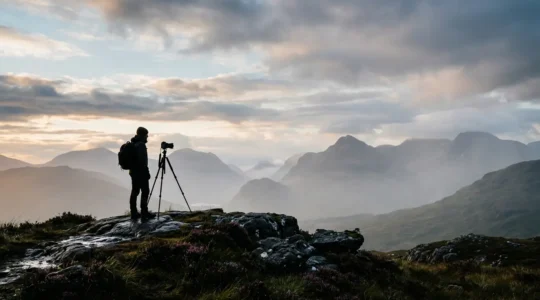
How to Photograph Highland Peaks in Low Light Conditions Without Grain
The secret to grain-free low-light photos in the Highlands isn’t a better camera—it’s mastering Scotland’s uniquely hostile environment and unpredictable light. Standard “Golden Hour” rules fail here; the usable light window is dangerously short and often an illusion created by…
Read more