Campsites and Accomodations
Whether you’re planning your first camping adventure or you’re a seasoned outdoor enthusiast looking to explore new options, understanding the landscape of camping accommodations is essential for making informed decisions. The world of campsites has evolved dramatically, offering everything from traditional tent pitches to luxurious glamping experiences, each designed to meet different needs, budgets, and comfort levels.
Choosing the right accommodation can make or break your camping experience. The perfect campsite balances location, amenities, cost, and atmosphere to create memorable moments in nature. This comprehensive resource explores the fundamental aspects of camping accommodations, helping you navigate the options available and select the best fit for your next outdoor escape.
Understanding Different Types of Camping Accommodations
The camping industry has diversified significantly, offering accommodations that cater to virtually every preference and comfort level. Understanding these options is the first step toward finding your ideal outdoor experience.
Traditional Tent Campsites
Traditional tent pitches remain the most popular and economical camping option. These designated areas provide a flat surface for setting up your own tent, typically with access to shared facilities. Most sites offer either grass or hardstanding pitches, with the latter being particularly valuable during wet weather. Traditional campsites often foster a sense of community, as campers share communal spaces like cooking areas and campfires.
RV Parks and Motorhome Sites
Designed specifically for recreational vehicles and motorhomes, these sites provide essential hookups for electricity, water, and waste disposal. Many RV parks offer pull-through sites for easy access, particularly beneficial for larger vehicles. The convenience of these facilities allows travelers to enjoy the outdoors while maintaining many home comforts, making them ideal for extended trips or those new to mobile camping.
Glamping and Luxury Options
Glamping has transformed camping into an accessible option for those seeking outdoor experiences without sacrificing comfort. Pre-erected safari tents, yurts, treehouses, and pods come equipped with real beds, often including electricity and sometimes even en-suite bathrooms. This option bridges the gap between traditional camping and hotel stays, perfect for families with young children or couples seeking a romantic getaway.
Cabins, Lodges, and Permanent Structures
For those who want a nature-based experience without sleeping under canvas, cabins and lodges offer solid walls, heating, and often full kitchen facilities. These range from rustic one-room structures to fully-equipped vacation homes, providing protection from the elements while maintaining proximity to outdoor activities and natural settings.
Essential Facilities and Amenities to Consider
The quality and range of facilities can dramatically impact your camping experience, especially for longer stays or when camping with families. Understanding what to expect helps you pack appropriately and set realistic expectations.
Sanitary Facilities and Hygiene Standards
Modern campsites typically provide shower blocks with hot water, flush toilets, and washing-up areas. The cleanliness and maintenance frequency of these facilities varies significantly between sites. Look for campsites that specify their cleaning schedules and the ratio of facilities to pitches—a good standard is one toilet and shower for every 15-20 pitches. Some premium sites now offer private bathroom facilities or family rooms with changing areas for young children.
Utility Hookups and Connectivity
Electric hookups have become standard at many sites, allowing campers to power lights, charge devices, and use small appliances. Water hookups may be individual or communal, with many sites offering fresh water taps distributed throughout the grounds. Increasingly, campers also consider internet connectivity, with some sites offering Wi-Fi, though signal strength in remote locations can be limited.
On-Site Services and Conveniences
Beyond basic facilities, many campsites enhance the experience with additional services. These might include:
- Laundry facilities for extended stays
- Small shops or reception areas selling camping essentials and local products
- Dedicated chemical disposal points for motorhomes
- Bicycle storage and rental services
- Waste recycling facilities
- Information centers with local maps and activity suggestions
Matching Accommodations to Your Travel Style
Different camping styles suit different travelers. Identifying your priorities helps narrow down the overwhelming number of options and leads you to accommodations that truly enhance your experience.
Family-Friendly Considerations
Families with children benefit from sites offering playgrounds, organized activities, and family-sized pitches with ample space. Proximity to sanitary facilities becomes crucial when managing young children, as does the availability of safe, enclosed areas where kids can play freely. Many family-oriented sites also provide entertainment during peak seasons, from craft workshops to evening movie screenings.
Couples and Romantic Getaways
Couples often prioritize peaceful settings, scenic locations, and privacy. Adult-only campsites have emerged to meet this demand, offering quieter environments without the bustle of families. Glamping options with features like hot tubs, fire pits, or scenic views create memorable romantic experiences while maintaining the connection to nature.
Solo Travelers and Social Camping
Solo campers might value communal areas where they can meet fellow travelers, or conversely, seek remote spots for solitude and reflection. Some campsites organize social evenings or group activities, creating natural opportunities for connection. Safety considerations, including well-lit pathways and secure storage, become particularly important for those traveling alone.
Location and Accessibility Factors
A campsite’s location influences not just your activities but also your overall experience. Think of it as choosing between a city hotel near attractions or a countryside retreat—each offers distinct advantages.
Campsites near popular tourist destinations or national parks provide easy access to hiking trails, beaches, or cultural sites, but may experience higher demand and prices during peak seasons. Remote locations offer tranquility and immersion in nature but require more planning regarding supplies and emergency services. Consider transportation options too—sites with public transport links offer more flexibility, especially for those arriving without vehicles or looking to explore car-free.
Accessibility extends beyond location to include terrain and facilities for those with mobility considerations. Many modern campsites now feature accessible pitches with level hardstanding, ramps, and adapted bathroom facilities, opening camping experiences to a wider audience.
Booking Strategies and Timing
Securing the right accommodation at the right price requires understanding booking patterns and planning accordingly.
Peak Season vs. Off-Season Camping
Peak season typically coincides with school holidays and favorable weather, bringing higher prices and limited availability but also fuller amenities and organized activities. Off-season camping offers significant cost savings, quieter sites, and a more intimate nature experience, though some facilities may operate on reduced schedules or close entirely.
Advance Booking and Cancellation Policies
Popular campsites, especially those in national parks or coastal areas, often require booking months in advance for peak periods. Understanding cancellation policies before confirming is crucial—flexible policies provide peace of mind if weather or circumstances change, while non-refundable rates typically offer lower prices in exchange for commitment.
Reading Reviews and Research
Reviews from previous campers provide invaluable insights beyond marketing materials. Look for recent reviews that mention specific aspects important to you: facility cleanliness, noise levels, pitch sizes, or staff helpfulness. Pay attention to patterns rather than isolated complaints—one negative review about muddy conditions might reflect unusual weather, while repeated mentions suggest drainage issues.
Cost Considerations and Value Assessment
Understanding the full cost picture helps you budget accurately and avoid surprises. Camping accommodations span an enormous price range, from budget-friendly municipal sites to premium resort-style locations.
Typical pricing structures include a base rate per pitch or unit, with additional charges for extra people, vehicles, pets, or electric hookups. Some sites charge per person, while others charge per pitch regardless of occupancy. Hidden costs might include shower tokens, Wi-Fi access, or peak-season supplements. When comparing prices, calculate the total cost including all these extras to get a true comparison.
Value extends beyond the nightly rate. A slightly more expensive site with excellent facilities, free hot showers, and included activities might offer better value than a cheaper option with numerous additional charges. Membership programs offered by campsite chains or camping clubs can provide discounts and benefits for frequent campers, paying for themselves after just a few trips.
Safety, Security, and Peace of Mind
Feeling secure in your accommodation allows you to truly relax and enjoy your camping experience. Well-managed campsites implement various measures to protect guests and their belongings.
Look for sites with controlled access, adequate lighting, and on-site staff or security, especially if camping in unfamiliar areas. Many established campsites feature barrier systems or gates that close overnight, limiting access to registered guests. Storage lockers or secure areas for valuables provide additional peace of mind when you’re away exploring.
Safety also encompasses emergency preparedness. Check whether campsites provide clear information about evacuation procedures, first aid availability, and nearby medical facilities. In remote locations, understanding mobile phone coverage and the distance to emergency services becomes particularly important.
Choosing the right campsite or accommodation is a deeply personal decision that balances practical needs with personal preferences. By understanding the types of accommodations available, the facilities that matter most to you, and how to evaluate locations and costs effectively, you can confidently select options that transform your camping trips into cherished memories. Whether you’re seeking adventure under canvas, comfort in a cozy cabin, or luxury in a glamping pod, the perfect camping accommodation awaits your discovery.
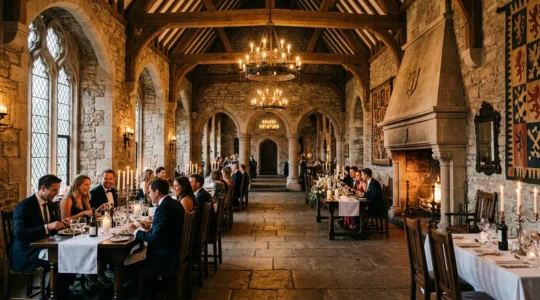
Drafts and Turrets: Managing Expectations When Staying in a Castle
The ‘flaws’ of a castle hotel—drafts, noises, and lack of lifts—are not bugs; they are often features mandated by historical preservation laws. The guest experience is dictated by the building’s original function (military fortress vs. noble estate) and its legal…
Read more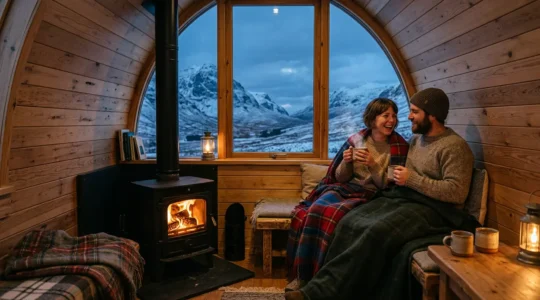
Are Glamping Pods Warm Enough for a Scottish Winter Stay?
Yes, modern glamping pods are engineered for Scottish winters, but their warmth depends on systemic design, not just a heater. Thermal performance is determined by the entire building system: insulation, groundworks, and airtightness are more critical than the heating unit…
Read more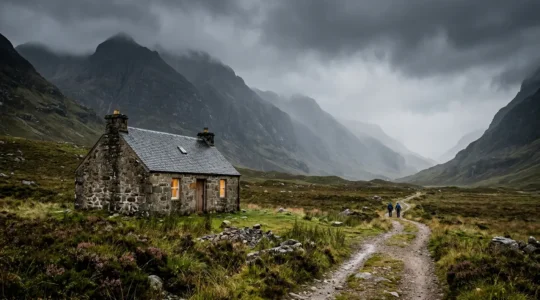
What Are the Unwritten Rules of the Mountain Bothies Association?
The key to a successful bothy trip isn’t just knowing the official rules, but deeply understanding the unwritten ethos of self-reliance and community that governs these simple shelters. Respect for the shelter and its history means carrying in your own…
Read more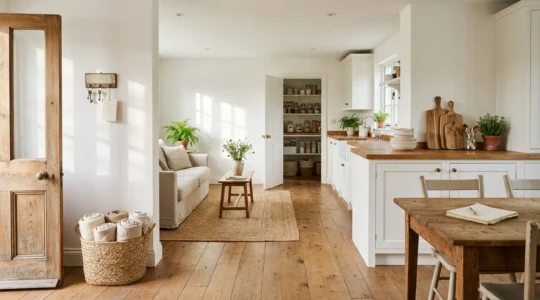
Beyond the Checklist: How to Truly Vet a Self-Catering Cottage Inventory Before You Arrive
A perfect self-catering holiday hinges not on the inventory list, but on a pre-arrival “operational audit” of the cottage’s core systems. Verify core utilities, like storage heaters, are actively charging and the property is warm 24 hours before your arrival….
Read more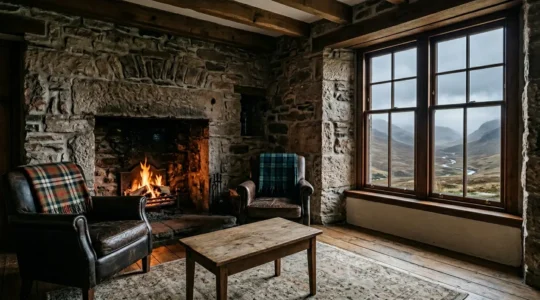
What Do VisitScotland Star Ratings Actually Mean for B&Bs?
The official star rating of a Scottish accommodation is a baseline for facilities and compliance, not a definitive guide to price, value, or the quality of your experience. A higher star rating guarantees specific amenities (like ensuite bathrooms or dinner…
Read more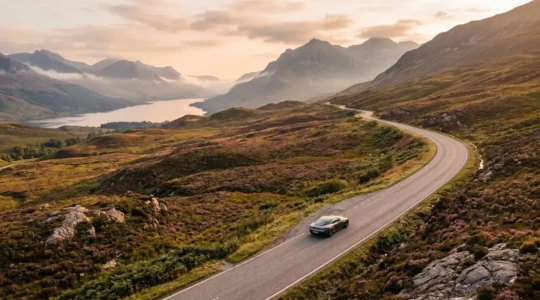
Where to Stop Overnight Between London and the Highlands?
The best overnight stop isn’t a destination, it’s a strategic tool to ensure you arrive in the Highlands rested, with your gear secure, and ready for the real journey. Prioritise security and quiet over location convenience; actively avoid hotels situated…
Read more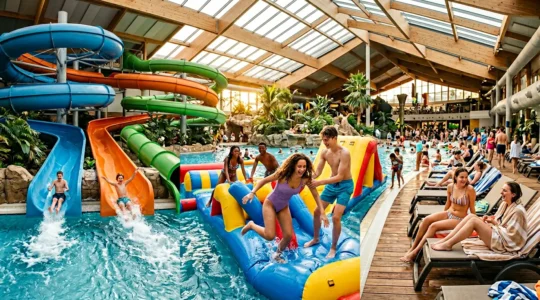
Which Holiday Parks Have the Best Activities to Keep Teenagers from Being Bored?
The secret to a successful family holiday with a teenager isn’t a longer list of activities; it’s a park designed for their independence. Most parks fail teens not on options, but on the logistical freedom to use them. Focus on…
Read more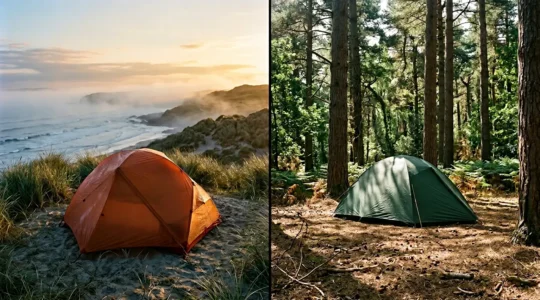
Coastal vs Inland: Which Wild Camping Spot Has Less Condensation?
Stop blaming your tent for condensation—the secret to a dry night lies in reading the landscape, not just the gear specifications. The fundamental cause of condensation is physics: warm, moist air from your breath and the environment hitting the cold…
Read more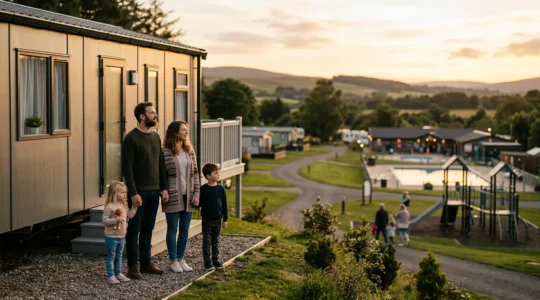
Is a Holiday Park Pass Worth the Extra Cost for Families?
The real value of a holiday park pass isn’t the list of amenities, but whether those amenities can handle the pressure of peak season without causing your family more stress. The ‘upgrade’ to a Gold caravan is often visible in…
Read more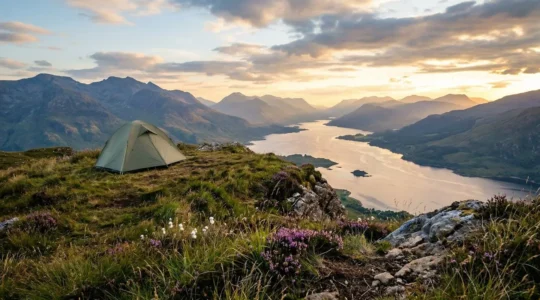
Where Can You Legally Wild Camp Near Loch Lomond During Summer?
The clash between Scotland’s ‘Right to Roam’ and Loch Lomond’s summer camping byelaws can be confusing. This guide clarifies that the restrictions are not a total ban, but a system to protect specific high-pressure areas. By understanding the core principles…
Read more