Blog
Planning your next outdoor adventure can feel overwhelming. Between choosing destinations, selecting the right equipment, and preparing for unexpected challenges, travelers and camping enthusiasts face countless decisions. The stakes feel high—invest in the wrong sleeping bag and you’ll shiver through cold nights; choose an unsuitable trail and you risk exhaustion or disappointment. This uncertainty paralyzes many would-be adventurers before they even start.
This is precisely where dedicated camping and travel blogs become invaluable companions, transforming uncertainty into confidence through shared experiences and practical knowledge. Unlike traditional guidebooks that quickly become outdated or promotional materials that paint unrealistically perfect pictures, authentic blogs offer dynamic perspectives from real adventurers who’ve navigated the same questions you’re facing right now.
Modern outdoor blogs serve multiple crucial functions simultaneously. They act as equipment testing laboratories, destination reconnaissance reports, skill-building academies, and community gathering spaces. A single well-crafted blog post can save you hundreds of dollars in equipment mistakes, weeks of research time, and the disappointment of arriving at a highly-anticipated location only to discover it doesn’t match your expectations.
Whether you’re a complete beginner wondering if camping is even for you, a weekend warrior looking to expand your repertoire, or a seasoned adventurer seeking fresh inspiration, understanding what quality blog content offers—and how to navigate it effectively—can dramatically enhance every aspect of your outdoor experiences. This comprehensive overview will help you recognize valuable resources, understand the essential topics that matter most, and develop the critical thinking skills to extract maximum value from the vast universe of camping and travel content.
Why Travel and Camping Blogs Matter for Modern Adventurers
The outdoor recreation landscape has transformed dramatically in recent years. Traditional information sources—printed guidebooks, official park websites, and generic travel platforms—often provide sterile, liability-conscious advice that doesn’t account for individual circumstances, skill levels, or specific environmental conditions. They tell you a trail is “moderate difficulty” without explaining what that actually means for someone carrying a heavy pack or hiking with children.
The Power of Peer-to-Peer Knowledge Transfer
Think of quality blogs as conversations with experienced friends who’ve already made the mistakes you’re trying to avoid. When a blogger tests a sleeping bag in actual freezing temperatures rather than controlled laboratory conditions, or discovers that a popular campsite becomes unbearably overcrowded during holiday weekends, they’re providing actionable intelligence you won’t find in official descriptions.
This peer-to-peer knowledge transfer creates several distinct advantages. First, bloggers typically share their actual skill level and experience, allowing you to calibrate advice appropriately—a challenging hike for a novice might be easy for an experienced mountaineer. Second, they reveal the practical details that official sources omit: where to actually park, which campsites offer the best views, what time to arrive to secure a spot, or which季节al conditions dramatically change the experience.
Consider a practical example: official park information might list a lakeside campground as having “30 sites with water access.” A quality blog post reveals that sites 12-18 offer the best sunset views, sites 4-7 are uncomfortably close to the bathroom facilities, the water pump sometimes fails requiring a backup plan, and mosquitoes become intense from mid-June through July. This granular detail fundamentally changes how you plan and what you expect.
Beyond Information: Inspiration and Community
Blogs serve another crucial function that pure information sources cannot: they inspire possibility. Reading about someone’s backcountry adventure, their discovery of an overlooked natural wonder, or their creative solution to a common camping problem sparks ideas you’d never encounter through conventional planning. This combination of practical utility and creative inspiration creates a unique value proposition that keeps readers returning even when they’re not actively planning trips.
Essential Topics Every Quality Camping and Travel Blog Should Cover
Comprehensive outdoor blogs organize their content around several core themes that address different phases of the adventure planning and execution process. Understanding these categories helps you quickly find relevant information and recognize whether a blog offers genuine depth or surface-level coverage.
Destination Insights and Hidden Gems
The most valuable destination content goes far beyond basic descriptions to provide contextual intelligence about locations. This means addressing questions that official sources won’t answer: How crowded does this popular trail actually get? What does “first-come, first-served” really mean in practice—do you need to arrive at dawn or can you show up mid-afternoon? Are there unofficial overflow camping areas locals use when official sites fill up?
Quality destination articles incorporate seasonal considerations that dramatically affect experiences. A beautiful alpine meadow might be spectacular in September but plagued by mosquitoes in July. Certain coastal campgrounds become uncomfortably windy during specific months. Desert locations shift from pleasant to dangerously hot. These temporal dimensions rarely appear in static guidebooks but frequently surface in blog content from writers who’ve visited locations multiple times across different seasons.
The best destination coverage also addresses accessibility honestly—not just whether a location is wheelchair accessible, but whether it’s appropriate for families with young children, suitable for beginners, requires specific fitness levels, or demands particular skills. This nuanced assessment helps readers make informed decisions about whether a location matches their actual capabilities rather than their aspirational self-image.
Practical Gear Reviews and Equipment Guidance
Equipment choices can make or break outdoor experiences, yet marketing claims and sponsored content rarely tell complete stories. Honest gear content examines products through extended real-world testing, identifying both strengths and limitations across varied conditions. A tent might perform beautifully in light rain but fail catastrophically in sustained downpours. A camp stove might excel at sea level but struggle at high altitude. These nuances only emerge through genuine field testing.
The most helpful gear content specifies use cases and user profiles rather than making blanket recommendations. For example, a comprehensive sleeping bag review might explain:
- For ultralight backpackers: This bag’s weight-to-warmth ratio excels, though durability suffers with frequent compression
- For car campers: The bulk isn’t an issue, making this affordable option ideal despite its weight
- For cold sleepers: The temperature rating proves optimistic; add 10 degrees to the stated comfort range
- For budget-conscious beginners: This represents excellent value, though you’ll likely upgrade after a season
This segmented approach helps readers match products to their actual needs, budget constraints, and experience level rather than simply chasing premium brands or lowest prices without context.
Safety Skills and Outdoor Education
Outdoor adventures carry inherent risks that proper knowledge significantly reduces. Comprehensive blogs dedicate substantial attention to progressive skill-building, acknowledging that beginners need foundational information while experienced adventurers seek advanced techniques. Quality safety content covers essential topics including:
- Navigation fundamentals: Map reading, compass use, GPS technology, and what to do when you realize you’re lost
- Weather interpretation: Reading clouds, understanding forecast limitations, recognizing dangerous conditions before they become critical
- Wildlife awareness: Proper food storage, understanding animal behavior, appropriate responses to encounters
- Emergency preparedness: Building appropriate first aid kits, signaling for help, shelter improvisation, water sourcing
- Leave No Trace principles: Minimizing environmental impact, proper waste disposal, campfire ethics, trail etiquette
The best educational content uses real scenarios to illustrate principles, helping readers understand not just what to do but why these practices matter and how to adapt them to specific situations they’ll encounter.
Planning Strategies and Logistical Guidance
The gap between dreaming about adventures and actually executing them often involves logistical complexity that intimidates newcomers. Quality blogs demystify planning processes, offering step-by-step frameworks for permit applications, reservation strategies, meal planning, equipment checklists, and itinerary development. This practical guidance transforms abstract ideas into concrete action plans that readers can actually implement.
How to Evaluate and Use Travel Blog Content Effectively
With countless blogs competing for attention, developing critical evaluation skills helps you identify truly useful resources and avoid unreliable or commercially-compromised content.
Assessing Credibility and Authenticity
Start by examining specificity and detail—vague generalities suggest superficial knowledge or recycled content, while precise information indicates genuine experience. A blogger who mentions that “campsites fill quickly” provides less value than one who specifies “sites typically fill by 10 AM on weekends from May through September, but weekday availability remains good except holiday weeks.”
Pay attention to whether authors acknowledge limitations, discuss challenges they encountered, and provide context for recommendations. Real experiences include problems, disappointments, and lessons learned from mistakes. Suspiciously perfect trip reports or exclusively positive gear reviews often indicate promotional content rather than authentic reporting.
Examine disclosure practices around partnerships, sponsorships, and affiliate relationships. Ethical bloggers clearly identify when they’ve received free products, been compensated for coverage, or earn commissions from links. This transparency doesn’t automatically invalidate opinions, but allows you to interpret recommendations with appropriate context.
Cross-Referencing and Triangulating Information
The most effective research approach involves consulting multiple independent sources. If several unconnected bloggers mention the same trail difficulty, campground issue, or equipment limitation, that consensus carries significant weight. Conversely, contradictory information warrants investigation—check publication dates and specific circumstances, as conditions change and what was accurate previously might no longer apply.
Consider each blogger’s perspective and how it aligns with your situation. Someone who exclusively explores remote wilderness areas will have vastly different priorities than families seeking accessible campgrounds with facilities. A minimalist backpacker evaluates gear through different criteria than a comfort-oriented car camper. Neither perspective is wrong, but recognizing these differences helps you filter advice appropriately and identify whose experiences most closely match your intended approach.
The Evolution of Travel Blogging: From Trip Reports to Planning Ecosystems
The role of outdoor blogs has expanded significantly beyond simple trip reports and photo galleries. Modern comprehensive blogs function as integrated planning ecosystems, offering downloadable checklists, interactive maps, seasonal calendars, detailed itineraries, and even budget calculators that readers can customize for their specific circumstances. This evolution reflects both technological capabilities and audience expectations for immediately actionable information.
Community features have become increasingly important, with comment sections and forums allowing readers to ask follow-up questions, share their own recent experiences, and provide updated information about changing conditions. This collaborative dimension transforms static articles into living resources that improve over time through collective knowledge. A blog post from two years ago gains new value when recent commenters note that trail conditions have changed, new regulations have been implemented, or facilities have been upgraded.
Perhaps most significantly, responsible blogs now emphasize sustainable and ethical outdoor recreation. As visitor numbers surge at many natural areas, quality content addresses the moral dimensions of sharing special places—discussing how to minimize environmental impact, respect local communities, time visits to reduce crowding, and consider whether publicizing fragile locations serves their long-term preservation. This maturation reflects growing understanding that the privilege of experiencing beautiful places carries reciprocal responsibility for protecting them.
Conclusion: Transforming Information Into Adventure
The landscape of camping and travel blogs offers unprecedented access to collective outdoor wisdom, but navigating this vast resource effectively requires discernment, critical thinking, and clear understanding of what quality content looks like. The best blogs don’t simply tell you where to go or what to buy—they equip you with knowledge, skills, and perspective that enhance every aspect of your outdoor experiences.
By recognizing the essential topics that comprehensive blogs address, developing evaluation criteria that separate authentic expertise from superficial content, and understanding how to cross-reference information across multiple sources, you transform passive reading into active research that directly improves your adventure planning and execution. The most valuable blogs become trusted companions that grow with you, offering appropriate guidance whether you’re planning your first overnight camping trip or your fiftieth backcountry expedition.
As you explore the rich ecosystem of outdoor content available, approach each resource with curiosity tempered by healthy skepticism. Look for specificity, appreciate transparency, value honesty about challenges, and seek diverse perspectives. The goal isn’t finding a single perfect blog that answers every question, but rather building a collection of complementary resources that address different aspects of outdoor recreation. This curated approach ensures you’re accessing the specific insights, practical advice, and inspirational stories that match your unique adventure goals, skill level, and personal values—ultimately helping you spend less time researching and more time actually experiencing the outdoor adventures that drew you to these resources in the first place.

Booking Ahead vs Winging It: What Works Best for the NC500?
The vision of a North Coast 500 road trip is often one of pure freedom: a ribbon of asphalt unfurling through majestic glens, with the open road as your only guide. You imagine pulling over wherever your heart desires, discovering…
Read more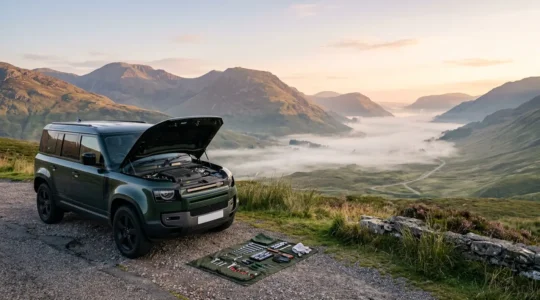
How to Prep Your Car for the North Coast 500 and Avoid a Roadside Breakdown
Underestimating the North Coast 500’s mechanical toll is the single biggest cause of trip-ruining breakdowns; preparation must go far beyond a basic fluid check. The route’s steep gradients and single-track roads subject brakes, tyres, and transmissions to continuous, extreme stress…
Read more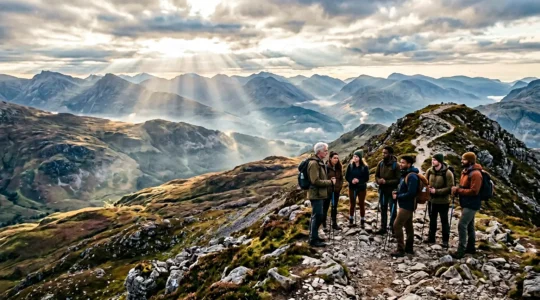
A Membership Secretary’s Guide to Joining a Scottish Hill Walking Club (Without the Intimidation)
The greatest barrier to joining a hill walking club isn’t fitness; it’s misunderstanding the ‘social contract’ of mutual support that defines the community. Your value to a group is measured in awareness and preparedness, not speed or peak-bagging counts. Etiquette,…
Read more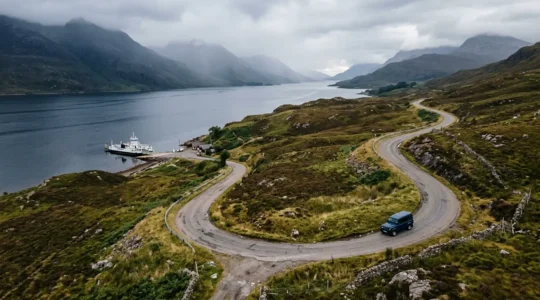
How to Budget for a 10-Day Scottish Road Trip Including Ferries?
The biggest savings on your Scottish road trip budget don’t come from skipping pub dinners, but from hidden efficiencies in driving, insurance, and packing that can save you hundreds. Slowing your driving speed from 60mph to 50mph can cut your…
Read more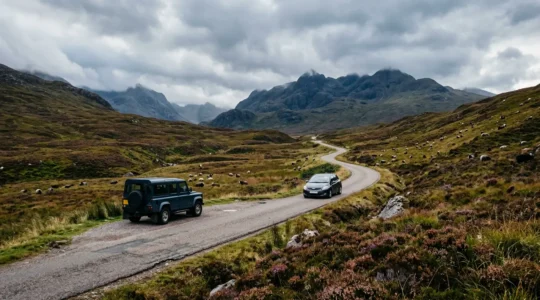
How to Drive on Single-Track Roads in Scotland Without Annoying Locals?
In summary: Passing places are strictly for managing oncoming traffic and faster vehicles; never use them for parking or photos. Real-world journey times are 1.5 to 2 times longer than Google Maps estimates; plan for significant buffer time. A compact…
Read more