Adventures and Activities
The call of the outdoors resonates differently with each person. For some, adventure means conquering a challenging mountain trail, while others find excitement gliding across a tranquil lake in a kayak. Whether you’re pitching your tent for the first time or you’re a seasoned camper looking to expand your repertoire, understanding the landscape of outdoor activities transforms a simple trip into a meaningful experience. The right activity can elevate your camping journey from pleasant to unforgettable.
Choosing outdoor adventures isn’t just about picking something that sounds exciting. It requires honest self-assessment, proper preparation, and respect for both your abilities and the environment. This comprehensive resource explores the spectrum of activities available to camping and travel enthusiasts, examining how to match pursuits with your skill level, prepare adequately, stay safe, and minimize your ecological footprint while maximizing enjoyment.
What Types of Adventures Await Outdoor Enthusiasts?
The world of outdoor activities offers remarkable diversity, catering to varied interests, fitness levels, and environmental preferences. Understanding the major categories helps you identify which pursuits align with your interests and camping style.
Water-Based Activities
Water adventures provide unique perspectives on natural landscapes while offering excellent full-body workouts. Kayaking and canoeing rank among the most accessible water activities for beginners, requiring minimal equipment and offering routes ranging from gentle streams to challenging whitewater rapids. These paddle sports let you explore waterways inaccessible by foot, often providing wildlife viewing opportunities and peaceful immersion in nature.
Stand-up paddleboarding (SUP) has surged in popularity due to its versatility and relatively short learning curve. Many camping destinations near lakes or calm coastal areas offer ideal conditions for beginners to practice balance and paddling techniques. For those seeking more adrenaline, activities like whitewater rafting or river tubing deliver thrilling experiences, though they typically require guided tours or advanced skills to navigate safely.
Land Adventures
Land-based activities form the backbone of camping adventures, with hiking and trekking being the most fundamental pursuits. These activities range from leisurely nature walks on maintained trails to multi-day backcountry expeditions requiring navigation skills and wilderness self-sufficiency. The beauty of hiking lies in its scalability—a family with young children can enjoy a two-mile loop trail, while experienced adventurers might tackle a fifty-mile thru-hike.
Mountain biking expands your range considerably, allowing you to cover greater distances and access remote camping areas. Trail systems vary from smooth, beginner-friendly paths to technical singletracks with steep descents and obstacle navigation. Similarly, trail running combines fitness training with nature immersion, appealing to those who want cardiovascular challenge alongside scenic beauty.
For winter camping enthusiasts, snowshoeing and cross-country skiing open up landscapes transformed by snow. These activities require specialized equipment but offer serene experiences in environments that summer crowds never see.
Aerial and Climbing Pursuits
Vertical adventures attract those seeking perspective shifts—both literally and figuratively. Rock climbing ranges from indoor gym practice to outdoor bouldering (climbing without ropes on shorter formations) to traditional multi-pitch climbs requiring extensive technical knowledge. Many camping destinations near climbing areas allow enthusiasts to combine basecamp comfort with daily climbing objectives.
Zip-lining and aerial rope courses, while typically requiring commercial operations, complement camping trips by adding managed adventure experiences. These activities work well for families or groups with mixed ability levels, as operators maintain safety systems while participants experience controlled thrills.
How to Choose Activities That Match Your Skill Level
Honest self-assessment prevents frustration, injury, and potentially dangerous situations. Most outdoor activities follow a progression model that respects both physical capabilities and technical knowledge development.
Begin by evaluating your current fitness level realistically. A moderate hike might cover 5-8 miles with 500-1,000 feet of elevation gain, requiring 3-4 hours of continuous walking. If you’re currently sedentary, starting with flat, 2-3 mile trails allows your body to adapt gradually. For water activities, consider your swimming ability—competent swimming skills are non-negotiable safety requirements for kayaking, paddleboarding, or any water-based pursuit.
Technical skill development follows a natural progression in most activities. In rock climbing, for example, the journey typically moves from:
- Indoor gym climbing with top-rope systems (beginner)
- Outdoor top-rope climbing on established routes (advanced beginner)
- Lead climbing with self-placed protection (intermediate)
- Multi-pitch traditional climbing (advanced)
Skipping steps in this progression often leads to dangerous gaps in essential knowledge. Seek instruction from certified guides or experienced mentors who can provide feedback, correct techniques before bad habits form, and introduce complexity at appropriate intervals.
Rating systems provide helpful guidelines across activities. Hiking trails often use simple classifications (easy, moderate, strenuous), while climbing employs the Yosemite Decimal System, and whitewater uses a Class I-VI scale. Familiarize yourself with these standards, but remember that ratings can vary by region and may not account for current conditions like weather or seasonal changes.
Essential Preparation for Outdoor Adventures
Preparation separates enjoyable adventures from miserable ordeals. Proper planning addresses physical readiness, route knowledge, and equipment selection.
Physical Conditioning
Activity-specific fitness makes the difference between struggling through an experience and actually enjoying it. For hiking and backpacking, focus on cardiovascular endurance through regular walking with gradually increasing distance and elevation. Add weighted vest training or stair climbing to simulate the load you’ll carry. Strengthening your core, legs, and stabilizer muscles reduces injury risk on uneven terrain.
Water activities demand upper body and core strength. Paddling for hours recruits shoulder, back, and abdominal muscles that desk-bound lifestyles often neglect. Incorporate exercises like rows, planks, and rotational movements to build the stamina needed for extended time on the water.
Research and Route Planning
Modern technology provides unprecedented access to trail information, but developing map reading and navigation skills remains essential. Study topographic maps to understand terrain features, elevation profiles, and potential challenges. Digital tools and GPS devices offer convenience, but batteries fail and signals disappear—always carry paper maps and know how to use them.
Research permits and regulations before arrival. Popular destinations increasingly require advance reservations or daily-use permits to manage visitor numbers. Some wilderness areas restrict group sizes or require specific camping locations. Understanding these rules prevents disappointment and helps preserve these special places for future visitors.
Gear Selection
Equipment needs vary dramatically by activity, but certain principles apply universally. Prioritize items in this order:
- Safety essentials: First aid kit, navigation tools, emergency shelter, fire-starting materials, headlamp
- Activity-specific gear: Appropriate footwear, paddles, climbing harness, bike helmet, etc.
- Environmental protection: Clothing layers for changing weather, sun protection, insect repellent
- Comfort items: Camp chair, pillow, luxury food items
Beginners often over-purchase, acquiring expensive gear before understanding their preferences. Consider renting specialized equipment for your first few outings. This approach lets you test different brands and styles while confirming your interest before significant investment.
Safety Considerations Every Adventurer Must Know
Outdoor activities carry inherent risks, but proper precautions dramatically reduce the likelihood of serious incidents. Weather awareness tops the list of safety priorities. Conditions in natural environments change rapidly, especially in mountainous areas where afternoon thunderstorms develop with little warning. Check forecasts before departure, but also learn to read clouds, wind patterns, and other natural indicators of approaching weather systems.
Create and share a detailed trip plan with a responsible person who will alert authorities if you don’t return as scheduled. Include your intended route, camping locations, expected return time, and vehicle description. This simple step has saved countless lives when adventurers became lost, injured, or trapped by unexpected conditions.
Carry and know how to use emergency communication devices. Cell phone coverage is unreliable in remote areas, making satellite messengers or personal locator beacons valuable investments for backcountry travel. These devices allow you to summon help even when completely off-grid.
Wildlife encounters require species-specific knowledge. Bear safety differs significantly from precautions needed in mountain lion territory. Research the animals you might encounter, proper food storage techniques, and appropriate response protocols. Most wildlife conflicts occur when humans inadvertently surprise animals or fail to store food properly, attracting curious creatures to campsites.
Seasonal Adventures: Year-Round Opportunities
Each season offers distinct advantages and challenges, allowing year-round outdoor engagement for those willing to adapt their activities and preparation.
Spring brings wildflower blooms, flowing waterfalls from snowmelt, and moderate temperatures ideal for hiking and biking. However, higher-elevation trails may remain snow-covered, and river levels can be dangerously high for water activities. This season rewards flexibility and willingness to adjust plans based on current conditions.
Summer provides maximum accessibility, with most trails snow-free and long daylight hours extending adventure time. Popular destinations see peak crowds during this period, making early starts or weekday trips advisable. Heat management becomes crucial—carry extra water, start hikes early, and plan water activities during the warmest afternoon hours.
Fall offers many advantages: fewer crowds, spectacular foliage, comfortable temperatures, and minimal insects in many regions. Wildlife becomes more active preparing for winter, increasing viewing opportunities. Shorter days require careful time management to avoid being caught out after dark.
Winter transforms familiar landscapes into new adventures. Snow-based activities like snowshoeing and skiing allow access to areas impassable in other seasons. Cold-weather camping requires specialized gear and knowledge but rewards practitioners with solitude and stunning beauty. Start with short trips close to your vehicle before attempting extended winter camping.
Adventure Styles: Solo, Family, or Group Experiences
Solo adventures provide unmatched freedom and self-reliance opportunities. You move at your own pace, make decisions independently, and experience nature without social distractions. However, solo travel amplifies risks—there’s no one to assist if you’re injured or to provide a second opinion on route-finding decisions. Solo adventurers must possess strong skills, carry comprehensive safety equipment, and maintain rigorous self-discipline about turnaround times and risk management.
Family activities introduce children to outdoor appreciation while creating lasting memories. Success requires adjusting expectations to match the youngest participant’s abilities. Transform potential challenges into games: trail “scavenger hunts” keep children engaged during hikes, and simple activities like rock skipping or nature journaling add variety to camping days. Pack extra snacks, plan frequent breaks, and prioritize fun over distance or objectives.
Group adventures distribute gear weight, provide safety redundancy through multiple people with skills and equipment, and offer social enjoyment. However, groups require clear communication about expectations, pace, and objectives. Mixed-ability groups often fracture, with faster members becoming impatient while slower participants feel pressured. Address these dynamics through pre-trip discussions about the plan and commitment to staying together.
Minimizing Environmental Impact During Activities
Outdoor enthusiasts bear responsibility for preserving the spaces we enjoy. The Leave No Trace principles provide an ethical framework for minimizing environmental impact:
- Plan ahead and prepare to avoid resource damage from poor decisions
- Travel and camp on durable surfaces to prevent vegetation destruction and erosion
- Dispose of waste properly—pack out everything you pack in
- Leave what you find so others can enjoy discoveries
- Minimize campfire impacts by using stoves and existing fire rings
- Respect wildlife by observing from distance and never feeding animals
- Be considerate of other visitors through courteous behavior
Beyond these fundamentals, consider the cumulative impact of your activity choices. Popular trails suffer from overuse, creating widened paths, social trails, and vegetation damage. Exploring less-visited areas distributes impact and often provides more solitary experiences. When possible, schedule trips during shoulder seasons rather than peak times.
Water activities require particular awareness. Avoid transporting aquatic invasive species by cleaning boats, kayaks, and paddleboards between different water bodies. Stay on designated channels and avoid sensitive shoreline vegetation. When camping near water, set up at least 200 feet from lakes and streams to protect riparian zones.
The outdoor experiences we treasure today exist because previous generations protected them. By incorporating low-impact practices into every adventure, we ensure that future campers and outdoor enthusiasts inherit landscapes as magnificent as those we currently enjoy. Start with one activity that matches your current abilities, prepare thoroughly, prioritize safety, and venture forth with respect for both your limits and the environment. The adventures awaiting you will provide challenges, growth, and memories lasting far beyond the trip itself.
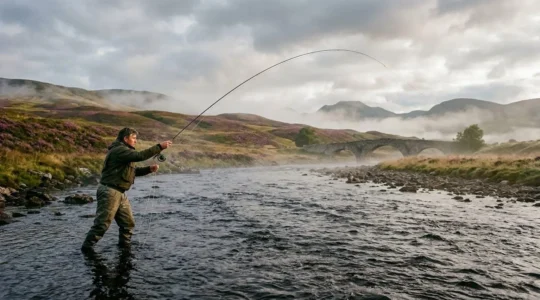
How to Book a Salmon Fishing Trip in Scotland Without Breaking the Bank?
The secret to affordable Scottish salmon fishing isn’t finding ‘cheap’ spots; it’s understanding the system of access, timing, and etiquette that the pros use. River access in Scotland is tiered. Knowing the difference between private estates, angling associations, and council…
Read more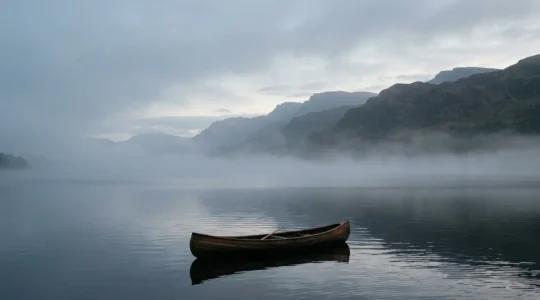
The Self-Guided Great Glen: An Expedition Leader’s Guide to Paddling Safely
Successfully paddling the Great Glen solo is less about the gear you pack and more about adopting an expedition leader’s mindset of dynamic risk assessment. The biggest threat isn’t gear failure; it’s the unpredictable wind on the large lochs, requiring…
Read more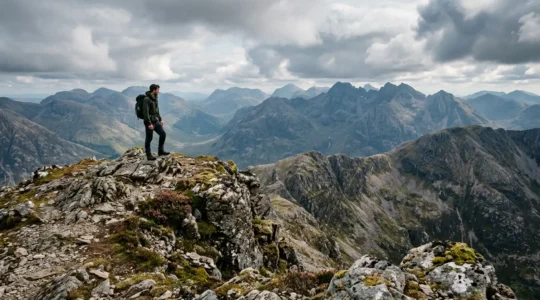
Why Choose Corbetts Over Munros for Solitude and Views?
Choosing a Corbett isn’t settling for less; it’s a deliberate upgrade to a more authentic and rewarding mountain experience. Corbetts trade the well-trodden “Munro motorways” for a genuine navigational challenge that tests true mountaincraft. Their individual prominence often delivers more…
Read more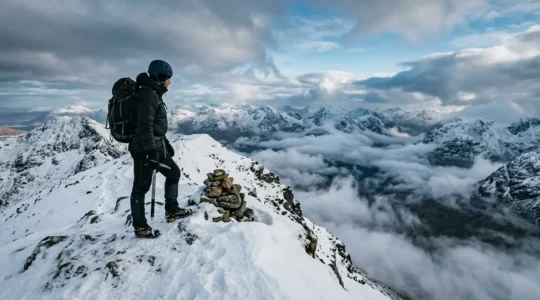
How to Start Munro Bagging Safely in Winter as a Beginner?
The greatest risk in winter mountaineering isn’t the mountain; it’s a summer mindset in a winter environment. True safety comes from a discipline of risk management and decision-making, not just owning an ice axe. Mastering non-digital navigation and understanding your…
Read more
What Wetsuit Thickness Do You Need for Scottish Summer Surfing?
Thinking a 4/3mm wetsuit is fine for a Scottish summer? That’s the first and most dangerous mistake many warm-water surfers make. The Scottish “summer” involves water temperatures that rarely exceed 15°C, which can trigger hypothermia 25 times faster than cold…
Read more
West Highland Way for Beginners: Your Ultimate Logistics Guide
In summary: Success on the WHW depends on mastering logistical ‘pressure points’, not just physical fitness. Prioritise foot health: Choose quick-drying trail runners over waterproof boots and master taping techniques. Book accommodation 9-12 months ahead, especially for bottlenecks like Kingshouse….
Read more
How to Train for Highland Hiking If You Live in a Flat City?
Training for the Highlands in a flat city isn’t about simulating hills; it’s about conditioning your body and mind for the relentless ‘energy tax’ of Scotland’s unique terrain. Focus on stability and eccentric strength to handle bogs, tussocks, and steep…
Read more
How to Insure High-Risk Outdoor Activities in Scotland for Non-Residents?
The most effective insurance for your Scottish adventure isn’t a policy, but a proactive risk-mitigation mindset that prevents incidents before they happen. Local knowledge is non-negotiable: Understand specific risks like summer hypothermia and cold-water shock that generic advice misses. Your…
Read more